One question we hear from parents is, “Is my child’s eye exam different than mine?”
It should be.
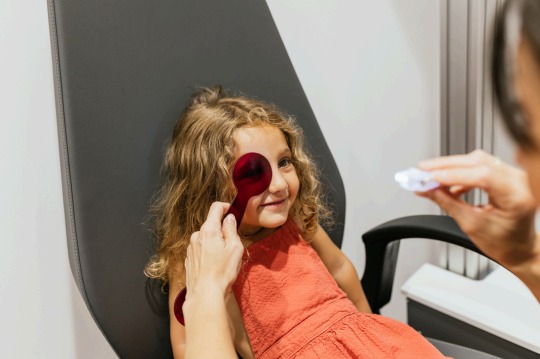
A child’s eye exam isn’t just a smaller version of an adult eye exam. We consider where they are in their visual development, how their two eyes are working together and what their vision needs to handle at school and at home.
And sometimes, what a parent notices at home gives us just as much useful information as what happens in the exam room.
Children Don’t Always Know Their Vision Could Be Better
Adults are usually pretty good at telling us when something has changed. They might notice that road signs aren’t as clear, that they’re struggling to read small print or that their eyes are tired after a day at the computer.
Children aren’t always able to do that.
When a child has always seen the world a certain way, they might assume that everyone sees it the same way. A child who has reduced vision in one eye, for example, may not complain
about blurry vision because their other eye is doing most of the work.
“But My Child Can See the Board.”
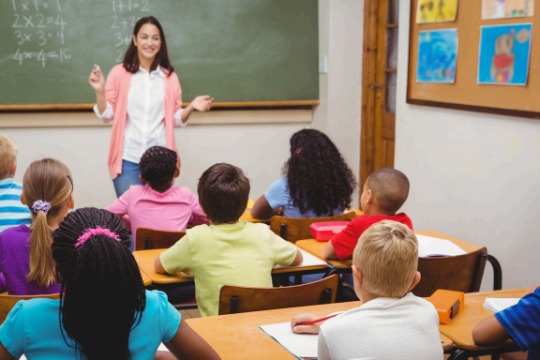
Being able to see the board is certainly important, but it is only one part of the picture.
During a children’s eye exam, we look at how the eyes work at different distances and how well they work together. We also assess focusing, eye movements and other aspects of vision that are important for reading and other close work.
Think about everything a child asks their eyes to do during a school day: looking at the board, copying from a screen, reading a book, writing at their desk and then coming home to homework.
Clear distance vision doesn’t necessarily tell us how comfortably a child is managing all of those tasks.
What Do We Look At During a Children’s Eye Exam?
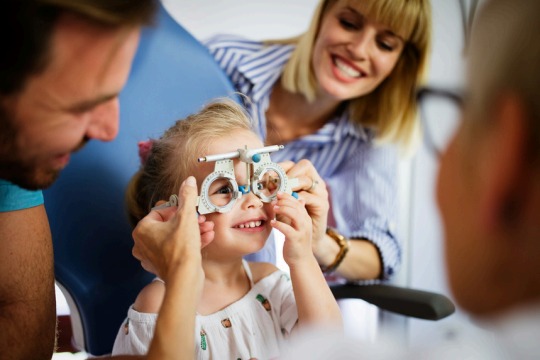
There are many similarities between a child’s exam and an adult’s exam, but we adapt the examination to the child’s age and visual development.
During the exam, we look at things like:
- Vision in each eye
- How well the eyes work together
- Focusing ability
- Eye movements and tracking
- Depth perception
- Colour vision
- Overall eye health
We also ask about things that are happening outside the exam room.
Is reading difficult? Does your child complain of headaches? Are they sitting very close to the television or holding books unusually close? Do they avoid certain activities?
Knowing what you’re seeing at home helps us put the exam findings into context.
What Parents Notice Can Be Very Helpful
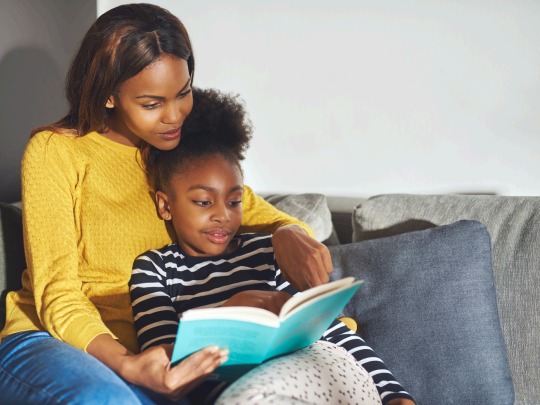
Children rarely outright say, “I can’t see properly.”
Sometimes the first clue is something small. A parent will mention that their child has started skipping lines when reading, or that homework seems to take forever. That doesn’t automatically mean there’s a vision problem, but it’s something we want to hear about.
Of course, kids rub their eyes, get distracted while reading and sit too close to things for all sorts of reasons. But if something seems to be happening regularly, it’s worth mentioning it during an eye exam.
“Isn’t 20/20 Good Enough?”
Many people associate an eye exam with reading letters from an eye chart. That is an important part of checking vision, but it is certainly not the whole examination.
A child can read the 20/20 line and still have other visual concerns.
For example, we may find that the vision between the two eyes is quite different, or that the eyes have difficulty working together comfortably for close work.
These are things that wouldn’t necessarily be picked up by simply asking a child to read the smallest line they can see.
What Does a Three Year Old Actually Do During an Eye Exam?
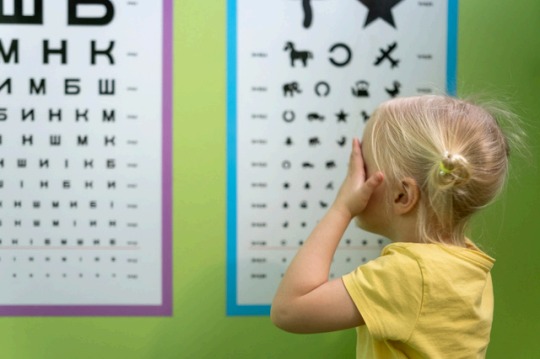
A three year old isn’t going to have the same examination experience as a sixteen year old.
We adjust the way we communicate and the tests we use according to the child’s age and ability to participate.
For younger children, the exam may involve pictures, shapes, matching games or other age appropriate methods rather than relying on letters. We’re most interested in getting a good picture of how they’re seeing than whether they can sit through a particular test.
Older children can participate in more of the same types of testing used with adults, while we continue to pay attention to their visual development and the demands of school and screen use.
What About School Vision Screening?
Parents sometimes ask whether a school vision screening means their child doesn’t need a full eye exam.
A screening can be helpful for identifying children who may need further assessment, but it isn’t the same as a comprehensive eye examination. A full eye exam gives us the opportunity to look at vision in each eye, how the eyes work together, focusing and eye health, along with other aspects of visual function.
In Ontario, children and youth aged 19 and younger are eligible for an eye examination
covered by OHIP every year.
“What If They Don’t Complain?”
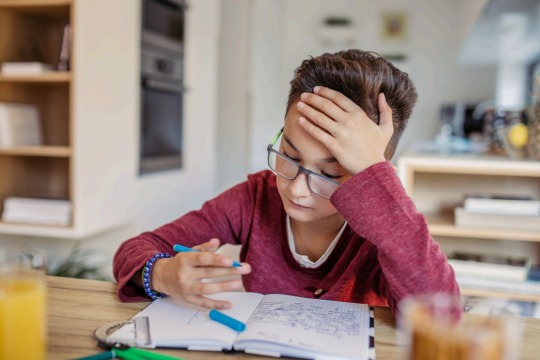
You don’t have to wait until your child starts having trouble at school.
Sometimes the signs are subtle. A child may simply become tired during reading, avoid certain activities or gradually start sitting closer to the television.
And sometimes there are no obvious signs at all.
That’s one reason regular eye exams are important. They give us a chance to see how your child’s vision is developing, even when there isn’t an obvious problem at home.
A Clear Start to the School Year
September is a natural time to get back into routines, including regular eye care.
If your child hasn’t had an eye exam recently, September is a good time to get one scheduled. And if you’ve noticed changes in the way they read, use screens or see things at a distance, we’d encourage you to mention those concerns during the exam.
If you have questions about your child’s vision, we’d be happy to help. Book a children’s eye exam at Burlington Optometry and start the school year with a clear view.