

Most people remember sunscreen before heading outside in the summer, but eye protection is often overlooked. Just like your skin, your eyes can be affected by long-term exposure to ultraviolet (UV) rays.
July brings longer days, stronger sunlight, and more time spent outdoors, whether that means driving, relaxing by the water, playing sports, or simply walking the dog. Protecting your eyes from UV exposure is one of the simplest ways to support long-term eye health.
What Are UV Rays?

Ultraviolet rays are invisible rays from the sun. There are two main types that affect eye health:
- UVA rays, which can contribute to long-term eye damage
- UVB rays, which are more strongly linked to surface damage and sunburn-related effects
Your eyes are exposed to UV light year-round, but exposure increases significantly during the summer months because of longer daylight hours and stronger sunlight.
Water, sand, concrete, and even car windshields can reflect UV rays back toward your eyes, increasing overall exposure.
Why UV Protection Matters

Over time, cumulative UV exposure may increase the risk of:
- Cataracts
- Growths on the surface of the eye
- Retinal damage
- Early aging changes around the eyes
Short-term overexposure can also cause temporary irritation or light sensitivity, especially after long days outdoors.
Many people think sunglasses are mainly about comfort, but they are also an important part of preventative eye care.
Not All Sunglasses Protect Equally
Dark lenses do not automatically mean better protection.
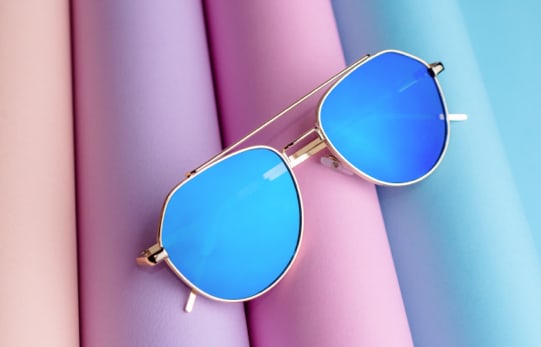
When choosing sunglasses, look for:
- 100% UVA and UVB protection
- Lenses labeled “UV400”
- Comfortable coverage that limits sunlight entering from the sides
The colour or darkness of the lens matters less than the UV protection itself.
Polarized lenses can also improve comfort by reducing glare from reflective surfaces like water, roads, and car hoods. This can make driving and outdoor activities more comfortable, especially during bright summer afternoons.
Children’s Eyes Need Protection Too
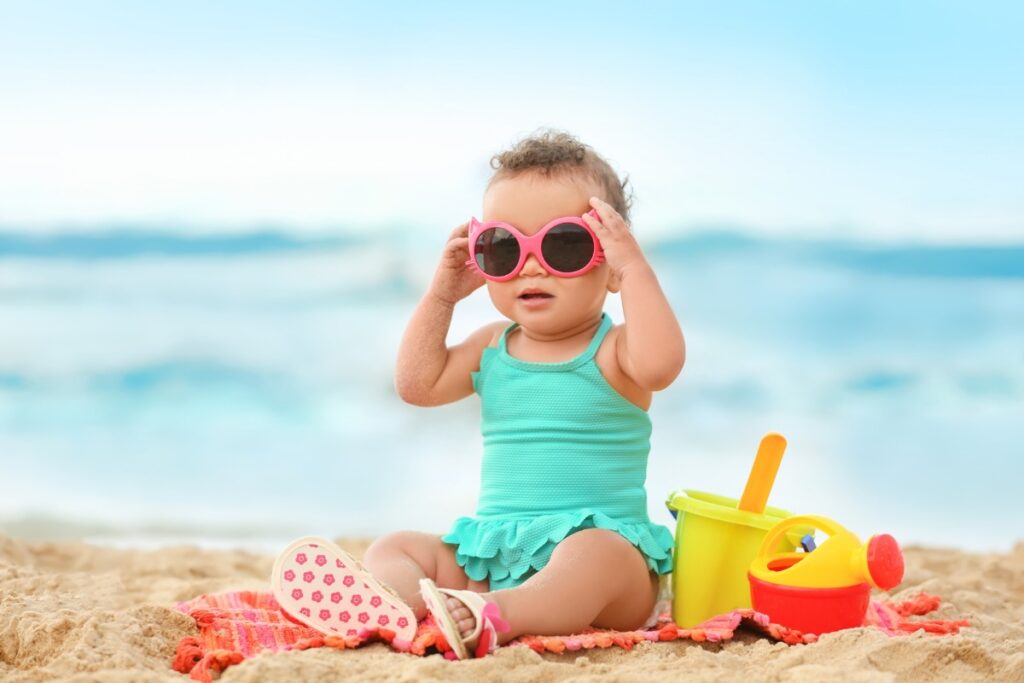
Kids spend a lot of time outdoors during the summer, and their eyes are especially sensitive to UV exposure.
Sunglasses for children should:
- Fit comfortably
- Stay in place during activity
- Provide full UV protection
Hats with brims can also help reduce direct sunlight exposure.
Many parents are careful about sunscreen but don’t always think about sunglasses as part of their child’s summer routine.
Signs Your Sunglasses May Need Replacing
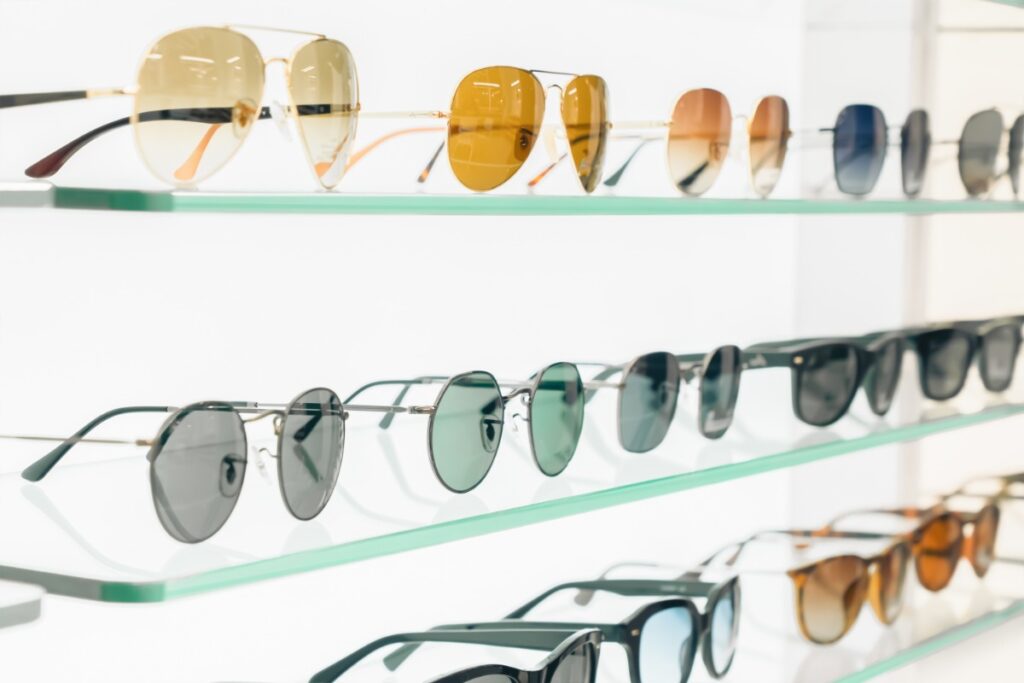
You may want to update your sunglasses if:
- Lenses are scratched or warped
- Frames no longer fit properly
- Your prescription has changed
- They no longer provide comfortable vision outdoors
Prescription sunglasses can be especially helpful for patients who wear glasses daily and want clearer, more comfortable outdoor vision.
Final Thoughts

Protecting your eyes from UV exposure is an easy habit that can benefit your vision for years to come. Whether you spend your summer at the cottage, on the golf course, at the beach, or simply driving around town, proper sunglasses make a real difference in both comfort and eye health.
If you have questions about prescription sunglasses, UV protection, or changes in your vision, we’d be happy to help.
Book an appointment at our Burlington clinic this summer to make sure your eyes are protected and seeing comfortably.