
If your eyes have been feeling dry, irritated, or tired lately, you’re not alone. Dry eye symptoms are especially common in late winter and early spring, when indoor heating, screen use, and seasonal changes all come together.
For some people, dry eyes are occasional and mild. For others, they can be persistent and frustrating. The good news is that once you understand what’s causing the problem, there are effective ways to manage it.
What Does “Dry Eye” Actually Mean?
Dry eye doesn’t always mean your eyes lack tears. In many cases, it’s about the quality of your tears rather than the quantity.
Your tear film has three layers — oil, water, and mucus — and each plays a role in keeping your eyes comfortable. When one of these layers isn’t working properly, tears can evaporate too quickly, leaving the surface of the eye exposed and irritated.
Common Symptoms of Dry Eyes
Dry eye can show up in different ways. You might notice:
A gritty or sandy feeling
Burning or stinging
Redness
Blurry or fluctuating vision
Watery eyes (a common response to irritation)
Eye fatigue, especially later in the day
Symptoms often get worse with screen use, reading, or time spent in dry environments. Why Dry Eye Is So Common This Time of Year
March is a transition month, and your eyes feel it.
- Indoor heating dries out the air, especially overnight
- Cold outdoor air can irritate the eyes and increase tear evaporation
- More screen time during the winter months reduces blinking
- Seasonal changes can start to trigger mild irritation, even before allergy season fully begins
These factors combine to make dry eye more noticeable as winter ends. Who Is More Likely to Experience Dry Eye?
Some people are more prone to dry eye symptoms, including:

- Those who spend long hours on computers or devices
- Contact lens wearers
- Adults as they get older
- People taking certain medications (such as antihistamines or some blood pressure medications)
- Anyone with a history of dry eye or eyelid inflammation
Even if you’ve never had symptoms before, changes in routine or environment can bring them on.
Simple Ways to Improve Comfort at Home
For many people, small daily habits can make a big difference.
Use Lubricating Eye Drops
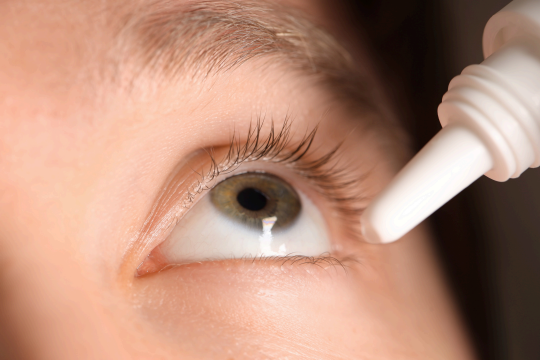
Artificial tears can help restore moisture and improve comfort. Preservative-free options are often best if you’re using them regularly.
Take Breaks from Screens
Blinking drops significantly during screen use. Taking short breaks and being mindful of blinking can help maintain a healthy tear film.
Add Moisture to Your Environment
A humidifier can make indoor air more comfortable, especially in bedrooms and workspaces. Try Warm Compresses
A warm compress applied to closed eyelids can help improve the oil layer of your tears, reducing evaporation.
Stay Hydrated
It sounds simple, but hydration plays a role in overall tear production.
When Dry Eye Needs More Attention

If your symptoms are persistent or affecting your daily comfort, it’s worth having your eyes assessed. Dry eye isn’t one-size-fits-all — there are different underlying causes, and treatment depends on what’s contributing to your symptoms.
During an eye exam, we can evaluate:
- Tear quality and stability
- Eyelid and oil gland function
- The surface of the eye
- Environmental and lifestyle factors
From there, we can recommend targeted treatment options based on your specific needs. Final Thoughts
Dry eyes are common, but they shouldn’t be something you just put up with. Whether your symptoms are mild or more persistent, there are ways to improve comfort and protect your eye health. If your eyes have been feeling dry, irritated, or tired, we’re here to help. Book an appointment at Burlington Optometry and let’s find the right solution for you.